The Power of Colour in Event Design
Colour is the single most powerful tool in an event stylist's arsenal. Before a guest reads a single word on a place card or tastes the first course, colour has already set the emotional tone of your celebration. It communicates formality or playfulness, tradition or modernity, intimacy or grandeur — all within the first seconds of walking into a space. At Modern Charm Uganda, colour selection is one of the first conversations we have with every client, because getting it right shapes every decision that follows.
Starting with Inspiration
The best colour palettes emerge from something personally meaningful to the couple or host. Start by gathering inspiration: the venue itself (lush green gardens call for different palettes than a sleek urban ballroom), the season (Uganda's tropical climate allows for vibrant palettes year-round, but dry season's golden light pairs beautifully with warm tones), cultural elements (the rich maroons and golds of traditional Ugandan fabrics, for example), or simply a favourite flower, artwork, or travel memory. We encourage clients to bring us images that make them feel something — not just wedding photos from Pinterest, but anything that evokes the feeling they want their event to carry.
The Anatomy of a Great Palette
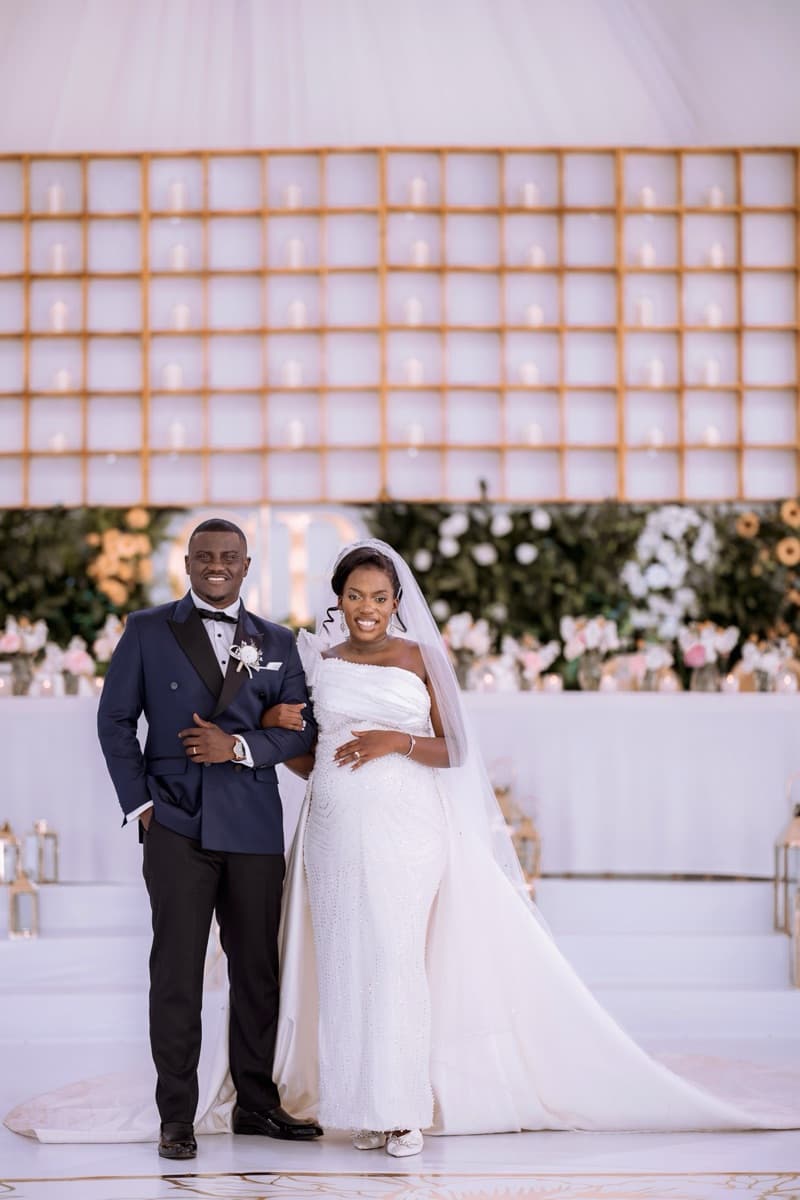
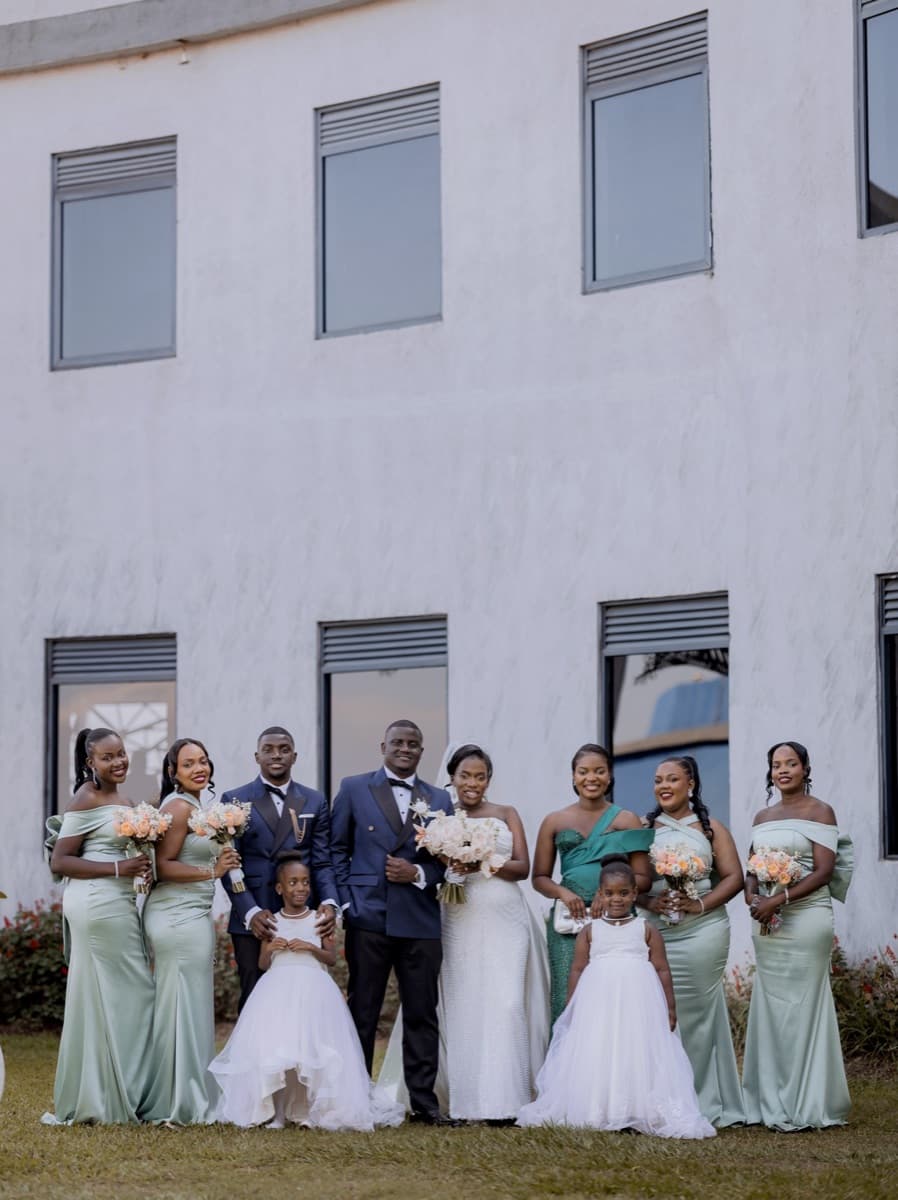
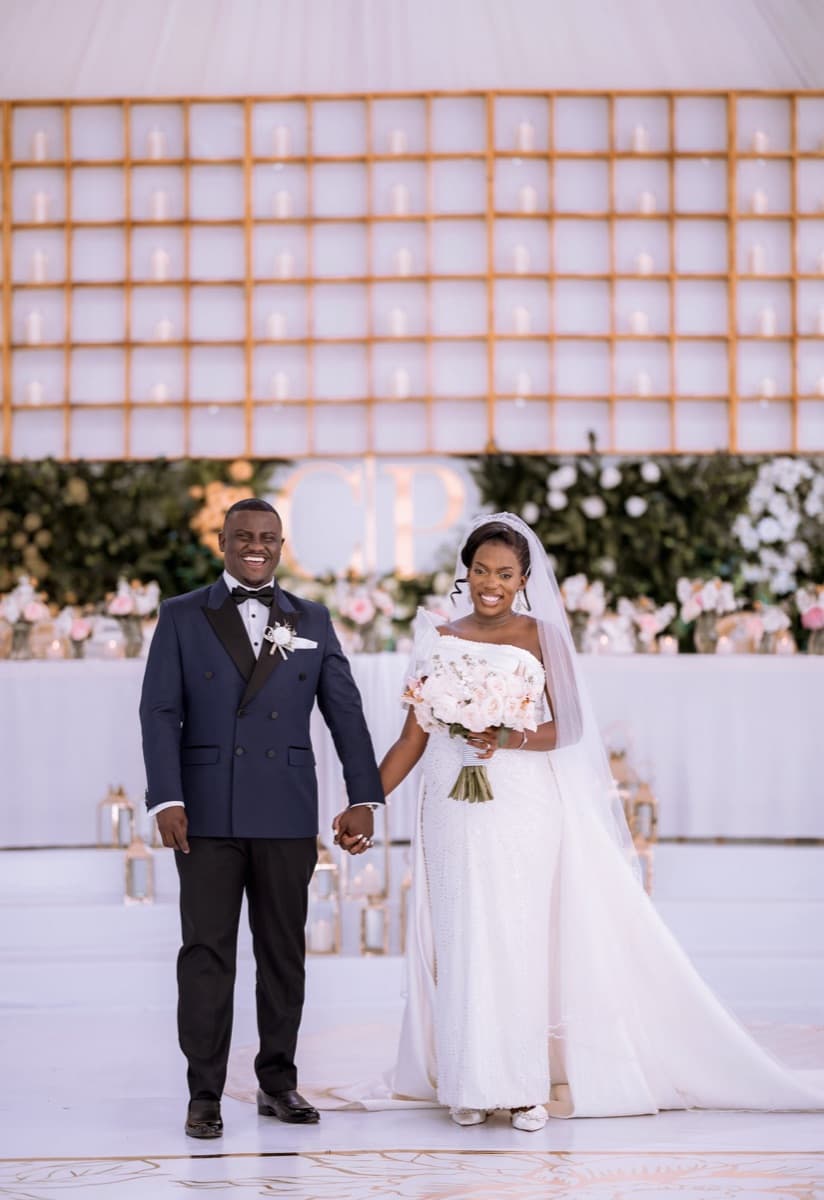
A well-structured event palette typically includes three to five colours in a clear hierarchy. Your dominant colour (60%) sets the overall mood and appears in linens, draping, and large decor elements. Your secondary colour (30%) provides contrast and depth, often used in floral arrangements, napkins, and accent furniture. Your accent colour (10%) delivers pops of drama — think metallic charger plates, ribbon details, or statement centrepiece elements. For example, a palette of dusty sage (dominant), ivory (secondary), and antique gold (accent) creates a timeless, romantic feel. Alternatively, midnight navy (dominant), blush pink (secondary), and copper (accent) delivers modern sophistication.
Colour and Culture
In Uganda, colour choices often carry cultural significance. White symbolises purity and is prominent in church weddings. Gold and maroon are associated with royalty and tradition, making them popular for Kwanjula and Kuhingira ceremonies. Green reflects Uganda's lush landscape and is a natural fit for garden events. When designing for clients from diverse backgrounds, we take care to understand and honour these associations, ensuring the colour palette feels culturally resonant and personally meaningful.
Practical Tips for Palette Success
Always test your colours in the actual venue lighting — a fabric swatch that looks perfect in daylight can shift dramatically under warm tungsten or cool LED lighting. Request physical samples of linens, ribbons, and flowers rather than relying solely on screen colours. Consider how your palette will photograph: high-contrast combinations tend to be more photogenic than all-pastel schemes. And finally, carry your palette through every touchpoint — from save-the-dates and invitations to table settings, dessert displays, and even the send-off — for a cohesive experience that your guests will remember long after the last dance.